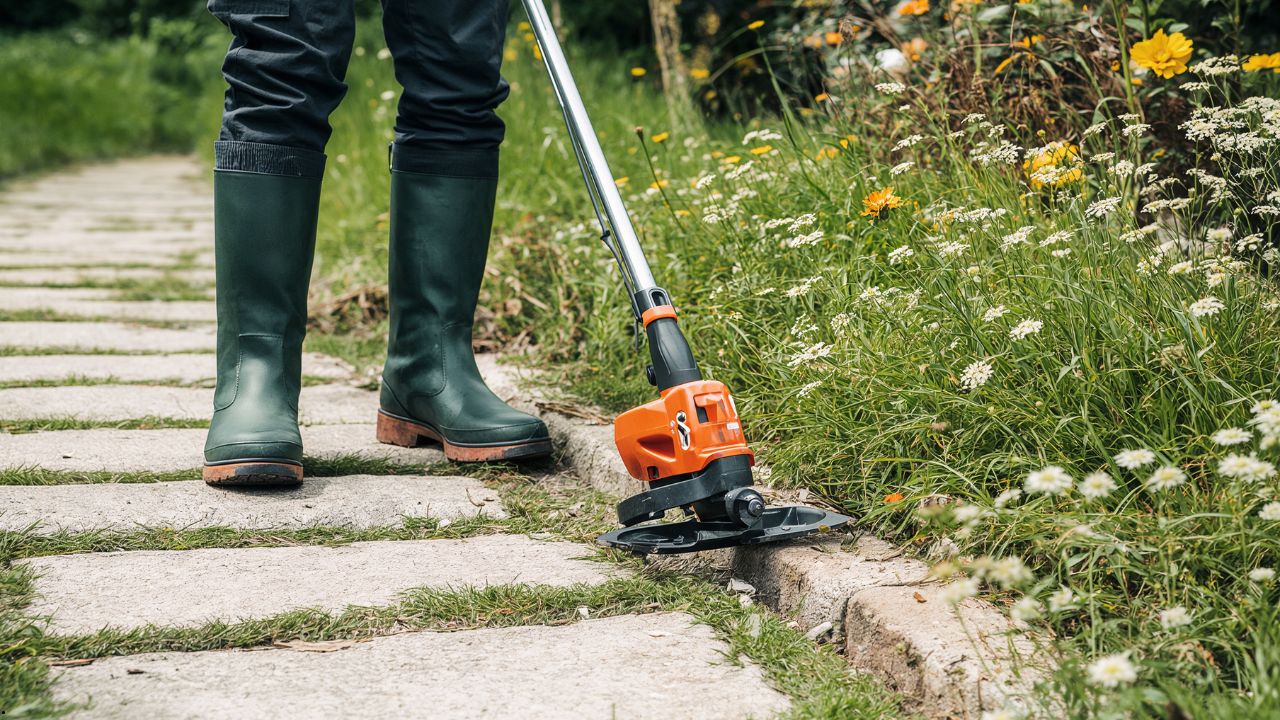
When most people think of Instagram, they picture influencers, fashion shots, and travel reels. But there is a quieter, greener corner of the platform that has been growing steadily — and it belongs to home gardeners. From beautifully composted raised beds to perfectly manicured lawns, gardening content on Instagram has built one of the most engaged and genuinely helpful communities on any social platform.
Whether you are a hobby grower trying to keep your backyard tidy, a small-scale vegetable farmer, or simply someone who takes pride in a weed-free garden path, Instagram has become an unexpectedly practical resource. Here is why, and how to make the most of it.
Table of Contents
The Rise of the Gardening Community on Instagram
Gardening accounts on Instagram have exploded in popularity over the last few years. Hashtags like #gardenlife, #vegetablegarden, and #urbangardening collectively attract tens of millions of posts. More importantly, these are not passive audiences — they comment, share tips, ask questions, and genuinely support each other.
Creators in this space do not need professional camera equipment or a PR team. An honest before-and-after of a weedy flowerbed reclaimed with the right products, a time-lapse of seedlings sprouting, or a simple reel showing how to treat stubborn perennial weeds on a gravel path — these posts consistently outperform polished, scripted content. Authenticity wins.
What Type of Gardening Content Performs Best
If you are looking to grow your own garden account or simply find inspiration, certain formats tend to consistently get traction:
- Before-and-after transformations: Nothing gets engagement like a dramatic garden makeover. Showing a neglected, overgrown plot restored to order resonates with virtually every gardener.
- Practical product reviews: Genuine, honest reviews of tools, fertilisers, or treatments — including what works and what does not — are among the most saved types of content in the gardening niche.
- Seasonal tips and reminders: Content tied to the gardening calendar (spring prep, autumn treatment, frost warnings) always gets strong reach because it is timely and immediately useful.
- Close-up plant and pest identification: Posts that help people identify a problem — a diseased leaf, an invasive weed, an unfamiliar insect — generate huge comment activity because followers want answers.
Weed Control: One of Instagram’s Most Discussed Gardening Topics
Among all the topics that dominate gardening content, weed management is remarkably consistent. Weeds do not respect seasons — they appear on driveways, in vegetable beds, along fence lines, and between paving stones year-round. It is no surprise that posts about removing them, preventing them, and choosing the right treatment attract some of the highest engagement in the gardening community.
One conversation that comes up repeatedly — especially among French gardeners and professional landscapers — involves the choice of herbicide and how to use it responsibly. Products built around glyphosate-based formulas remain widely discussed because of their effectiveness on tough perennial weeds and broad-spectrum coverage. Gardening accounts that review or explain these products honestly, covering correct dosage, safety handling, and appropriate use cases, tend to build significant trust with their audiences. For those looking to go deeper on the topic, the specialists at Desherbant Glyphosate offer detailed guidance on selecting and applying the right herbicide for each situation — a resource worth sharing with followers who ask about it.
The key when posting about weed control on Instagram is framing. Audiences respond best to content that educates first — explaining why certain weeds are so persistent, what makes some treatments more suitable for specific surfaces, and what to avoid near food crops or waterways. That educational angle transforms a product post into genuinely helpful content.
Using Tools Like Mollygram to Study What Works
One underused strategy among gardening content creators is simply observing what successful accounts are already doing. This is where anonymous Instagram viewing tools become surprisingly useful for research. Platforms like Mollygram allow you to browse public Instagram stories and posts without logging in, which means you can study content strategies, posting styles, and engagement patterns across multiple gardening accounts without leaving any trace or triggering the algorithm on your own profile.
For a gardening creator, this kind of quiet competitor research is invaluable. You can watch how top accounts present their seasonal weed treatment posts, how they caption product recommendations, how often they post stories versus reels, and what calls to action they use — all without following the account or tipping off the algorithm that you are interested in that niche. Think of it as window shopping for content ideas, completely anonymously.
Building an Engaged Gardening Audience: Practical Tips
Growing a genuine following in the gardening niche takes consistency, but the audience is exceptionally loyal once you earn it. A few principles that work consistently well:
- Show the process, not just the results: Followers want to learn alongside you. Documenting failures honestly — a product that did not work as expected, a crop lost to weeds — builds far more trust than a curated highlight reel.
- Answer questions in your captions: Write captions that anticipate the comments you will receive. If you are posting about treating a gravel driveway, address timing, safety, and weather conditions right in the caption.
- Use location and seasonal hashtags: Broad hashtags are competitive, but regional and seasonal ones often have less noise and more motivated followers actively looking for advice.
- Collaborate within the niche: Shoutouts and collaborations with other micro-creators in the gardening or landscaping space tend to produce higher quality new followers than any paid promotion strategy.
Final Thoughts
Instagram is not just for aesthetics — for gardeners, landscapers, and anyone who takes their outdoor spaces seriously, it has quietly become one of the most practical communities on the internet. The combination of visual content, real-time tips, and a genuinely helpful audience makes it a unique platform for both learning and sharing.
Whether you are looking to grow your own presence, find product advice, or simply keep up with what works in the garden this season, Instagram — used with the right tools and the right approach — delivers more practical value than most gardeners give it credit for.