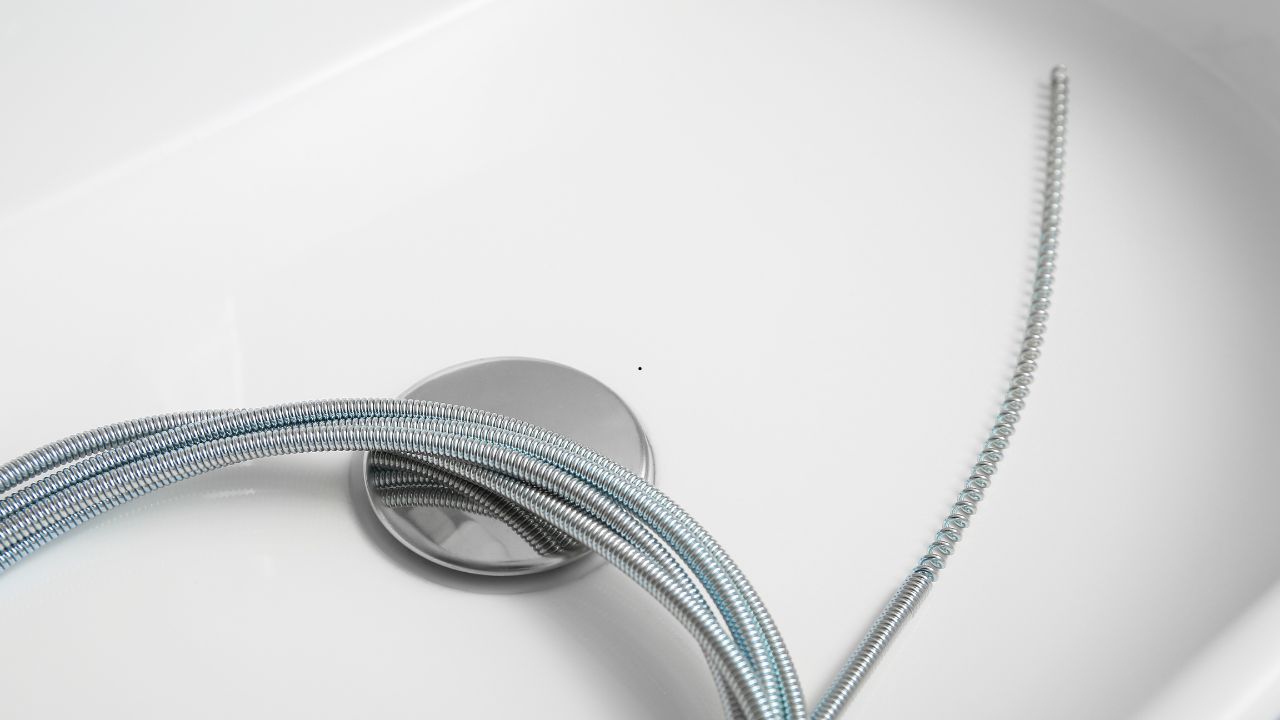
Blocked drains are something most homeowners in Coventry will face at some point. It can start as a slow-draining sink or a bad smell, and before you know it, you’re dealing with a bigger mess. If you’ve ever searched for help with blocked drains Coventry, you know how frustrating it can be. The good news is that many of these problems are avoidable. With a little understanding and some simple habits, you can keep your drains flowing smoothly and avoid costly repairs
Table of Contents
Why Do Drains Get Blocked So Easily?
Drains are designed to carry water and waste away from your home, but they are not built to handle everything we throw at them. Over time, small things build up inside the pipes. This build-up slows down the water flow and eventually leads to a blockage.
In many Coventry homes, especially older ones, pipes may already be narrow or slightly damaged, which makes the problem worse. Even in newer homes, daily habits can quickly lead to blocked drains if you’re not careful.
1. Grease and Fat Build-Up
One of the most common causes of blocked drains is pouring grease, fat, or oil down the sink. It may look harmless when it’s hot and liquid, but once it cools, it turns solid and sticks to the inside of your pipes.
Over time, this sticky layer catches other debris like food particles, making the blockage worse.
How to Prevent It
- Never pour cooking oil or fat down the drain
- Let grease cool and throw it in the bin
- Wipe greasy pans with a paper towel before washing
2. Hair in Bathroom Drains
Hair is another major cause of blocked drains, especially in showers and bathroom sinks. It easily gets tangled and forms clumps that block water flow.
When mixed with soap residue, it creates a stubborn blockage that’s hard to remove.
How to Prevent It
- Use a simple drain cover to catch hair
- Clean the cover regularly
- Brush your hair before showering to reduce shedding
3. Food Waste and Scraps
Even small bits of food can cause problems over time. Things like rice, pasta, and coffee grounds expand in water and can clog your pipes.
Many people think rinsing food down the sink is fine, but it slowly leads to build-up.
How to Prevent It
- Scrape plates into the bin before washing
- Avoid putting coffee grounds down the sink
- Use a sink strainer to catch small food pieces
4. Wet Wipes and Hygiene Products
A lot of people flush wet wipes thinking they are safe, even if they say “flushable.” The truth is, most of them do not break down properly and can cause serious blockages.
The same goes for items like cotton buds, sanitary products, and paper towels.
How to Prevent It
- Only flush toilet paper
- Keep a bin in the bathroom for other items
- Teach children what should and shouldn’t be flushed
5. Tree Roots in Pipes
In some Coventry areas, especially where homes have gardens, tree roots can grow into underground pipes. They are attracted to moisture and can enter through tiny cracks.
Once inside, they grow and block the flow of water completely.
How to Prevent It
- Have your drains checked regularly if you have large trees nearby
- Fix small pipe cracks early before roots get in
- Consider professional inspections if you notice repeated blockages
6. Soap Scum Build-Up
Soap may seem harmless, but over time it leaves behind a residue called soap scum. This residue sticks to the sides of pipes and traps dirt, hair, and grease.
This is a slow process, but it can lead to serious blockages if ignored.
How to Prevent It
- Use liquid soap instead of bar soap when possible
- Flush drains with hot water regularly
- Clean your sinks and showers often
7. Foreign Objects
Sometimes, items accidentally fall into drains. This can include small toys, jewelry, or even bits of packaging. These objects can block the pipe instantly or catch other debris.
How to Prevent It
- Be careful around open drains
- Use drain covers where possible
- Keep small objects away from sinks and toilets
Signs Your Drain May Be Blocked
It’s important to catch problems early before they get worse. Here are some common signs to watch for:
- Water draining slowly
- Bad smells coming from sinks or drains
- Gurgling sounds in pipes
- Water backing up in sinks or toilets
If you notice any of these signs, it’s best to act quickly.
When to Call a Professional
Some small blockages can be fixed with simple tools or home remedies. But if the problem keeps coming back or gets worse, it’s time to call an expert.
Professionals have the right equipment to clear drains safely and properly. They can also check for deeper issues like damaged pipes or root intrusion.
If you’re dealing with a serious issue, it’s always better to get help sooner rather than later.
Final Thoughts
Blocked drains are a common problem in Coventry homes, but they are often preventable. By being mindful of what goes down your drains and following a few simple habits, you can avoid most issues.
Taking care of your drains doesn’t have to be difficult. Small changes in your daily routine can make a big difference over time. And if you ever find yourself stuck with a stubborn blockage, don’t hesitate to reach out to a professional for help.
Keeping your drains clean today can save you time, money, and stress in the future.