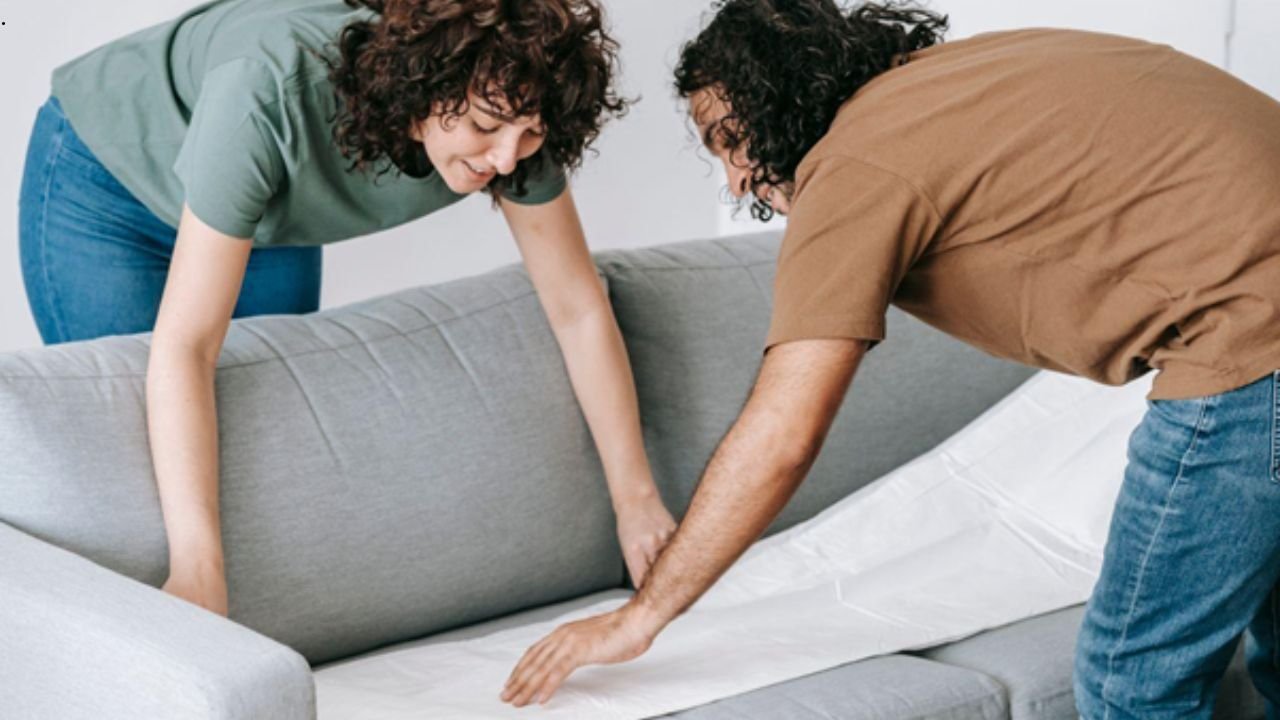
Removable upholstery covers make it easier to clean, maintain and refresh furniture without replacing the entire upholstered surface. They are particularly useful for cushions, dining chairs and other furniture that experiences regular use.
However, a removable cover needs to do more than simply come off. It should fit securely, be easy to refit and withstand repeated handling. The choice of fabric, fastening method and construction all affect how practical the finished cover will be.
Choose Fabric That Suits the Furniture
For frequently used furniture, choose a fabric with suitable abrasion resistance and durability. Some materials are also easier to clean than others, which is worth considering if the covers are likely to be removed regularly.
Cotton and linen blends are popular for their appearance and feel, while synthetic upholstery fabrics can offer useful stain resistance and durability.
However, not every upholstery fabric is machine washable. Always check the manufacturer’s care instructions before deciding how the covers will be cleaned.
You should also consider shrinkage. A cover that fits perfectly when first made may become difficult to refit if the fabric shrinks during washing.
Make Sure Covers Are Easy to Remove
A tightly fitted cover might look excellent, but it can become frustrating if removing it requires excessive pulling or stretching.
The opening needs to be large enough to allow the cushion or upholstered component to pass through without damaging the seams.
This is particularly important for thick foam cushions, which can be difficult to manoeuvre through narrow openings.
Consider where the opening will sit. Positioning it along the back or underside of a cushion can help keep it out of sight while allowing easy access.
Choose the Right Snaps and Fasteners
The fastening method plays an important role in how easily removable upholstery covers are.
Different snaps and fasteners can be used to secure fabric panels, create accessible openings and keep covers in position.
Press studs, for example, provide a simple way to connect two sections of fabric. They can be useful where you need a fastening that is easy to open and close without adding unnecessary bulk.
Other options include zips, hook-and-loop tape and buttons.
The best choice depends on the furniture and how frequently the cover will be removed.
Whatever fastening you choose, make sure it is suitable for the fabric and securely attached. Reinforcing the area around the fastening can help prevent tearing during repeated use.
Allow for Regular Cleaning
One of the main benefits of removable upholstery covers is the ability to clean them separately from the furniture.
Check whether the material can be machine washed, hand washed or professionally cleaned. Some upholstery fabrics require specialist cleaning because water or detergents can affect their appearance or finish.
Where washing is permitted, follow the recommended temperature and drying instructions.
It is also worth considering how easily the cover can be turned inside out. This can help protect visible surfaces during certain cleaning processes, where the manufacturer’s instructions allow it
Avoid assuming that removable automatically means washable. The two are not necessarily the same.
Consider How the Furniture Will Be Used
Not every piece of furniture needs the same type of removable cover.
Dining chair cushions may benefit from simple fastenings that allow the covers to be removed for cleaning. Sofa cushions often need stronger seams and larger openings because they experience frequent use.
For furniture in commercial environments, durability and ease of maintenance may be particularly important.
You should also consider whether the cover needs to remain securely positioned during use. Ties, suitable fasteners or carefully designed openings can help prevent unwanted movement.
Where furniture is subject to specific fire safety requirements, replacement covers and fabrics must also be suitable for the intended use.
Choosing the right construction method from the beginning makes the finished cover more practical.
Practical Covers Start with the Right Components
Removable upholstery covers offer a useful way to maintain furniture, but their effectiveness depends on how they are made.
Choosing durable fabric, allowing sufficient access and using suitable snaps and fasteners all contribute to a cover that is easier to remove, clean and refit.
Attention to seams, measurements and reinforcement also stops common problems occurring as the covers are used over time.
covers can provide a practical solution for keeping upholstered furniture in good condition while making everyday maintenance easier.